

Connected Media Summit 2026
A morning entirely dedicated to an increasingly central question for those who invest in advertising: how do we truly measure the value of media in an increasingly fragmented scenario?
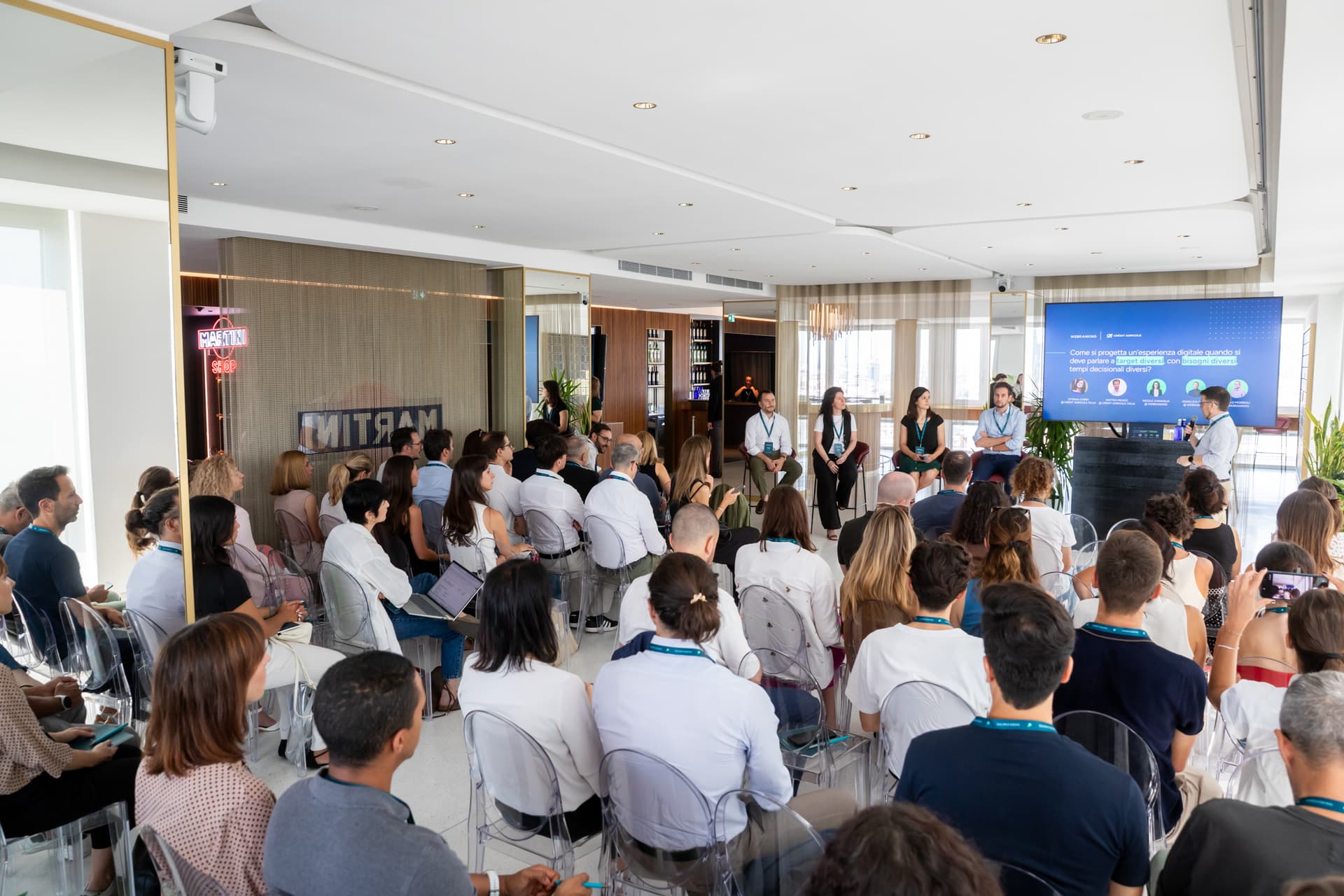
Sold out and over 170 professionals from the media, marketing, and communication world for a morning entirely dedicated to an increasingly central question for those investing in advertising: how do we truly measure the value of media in an increasingly fragmented landscape?
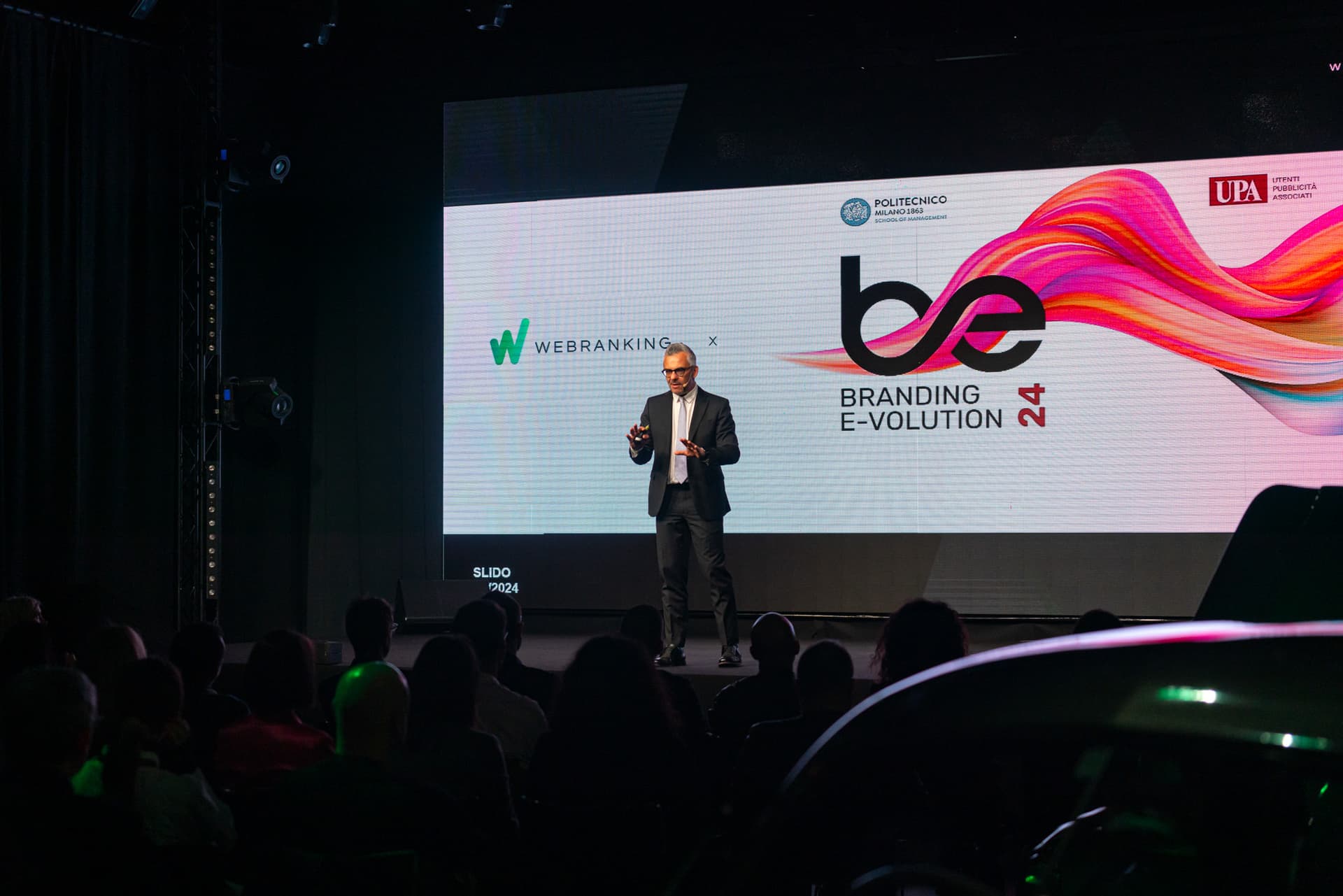
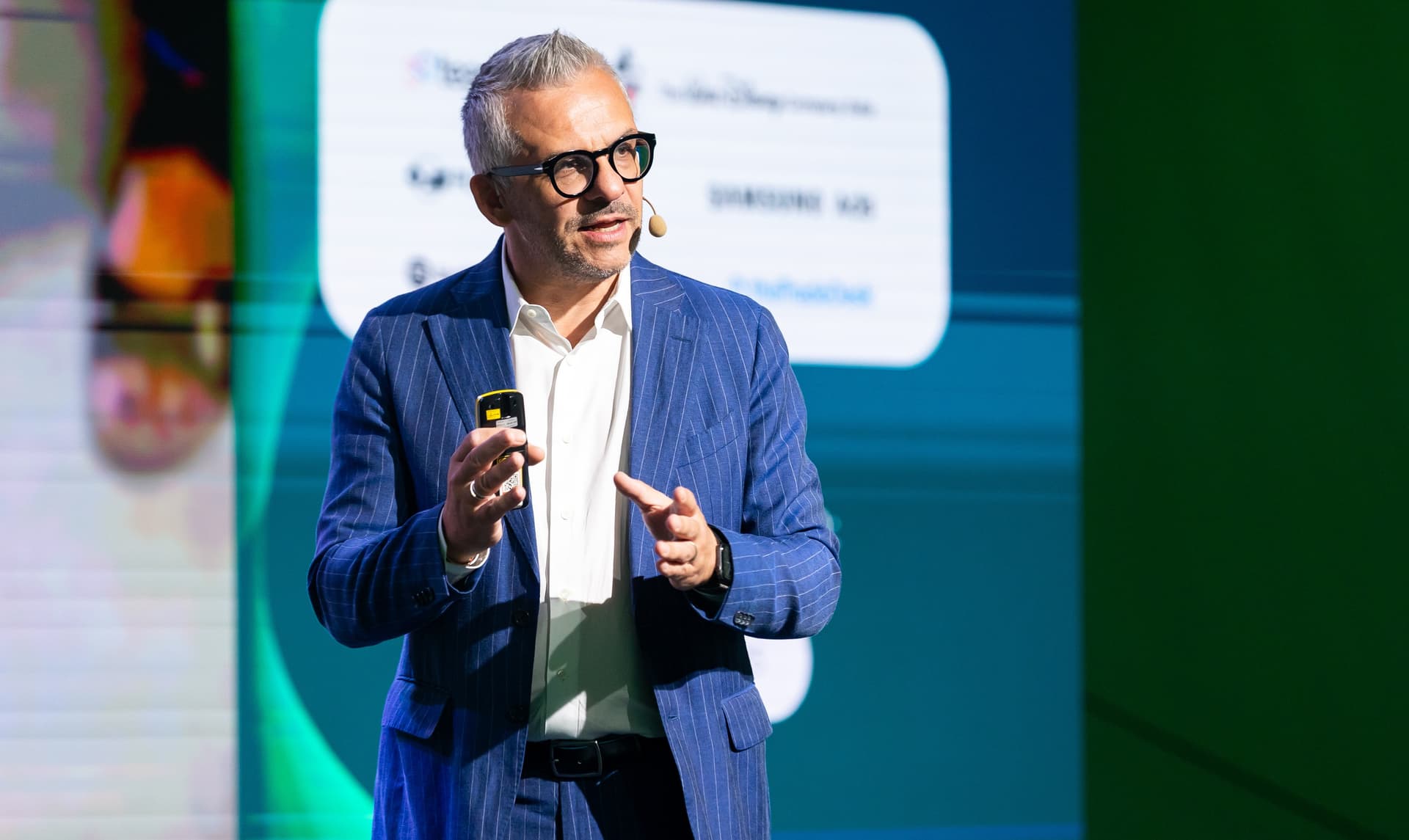
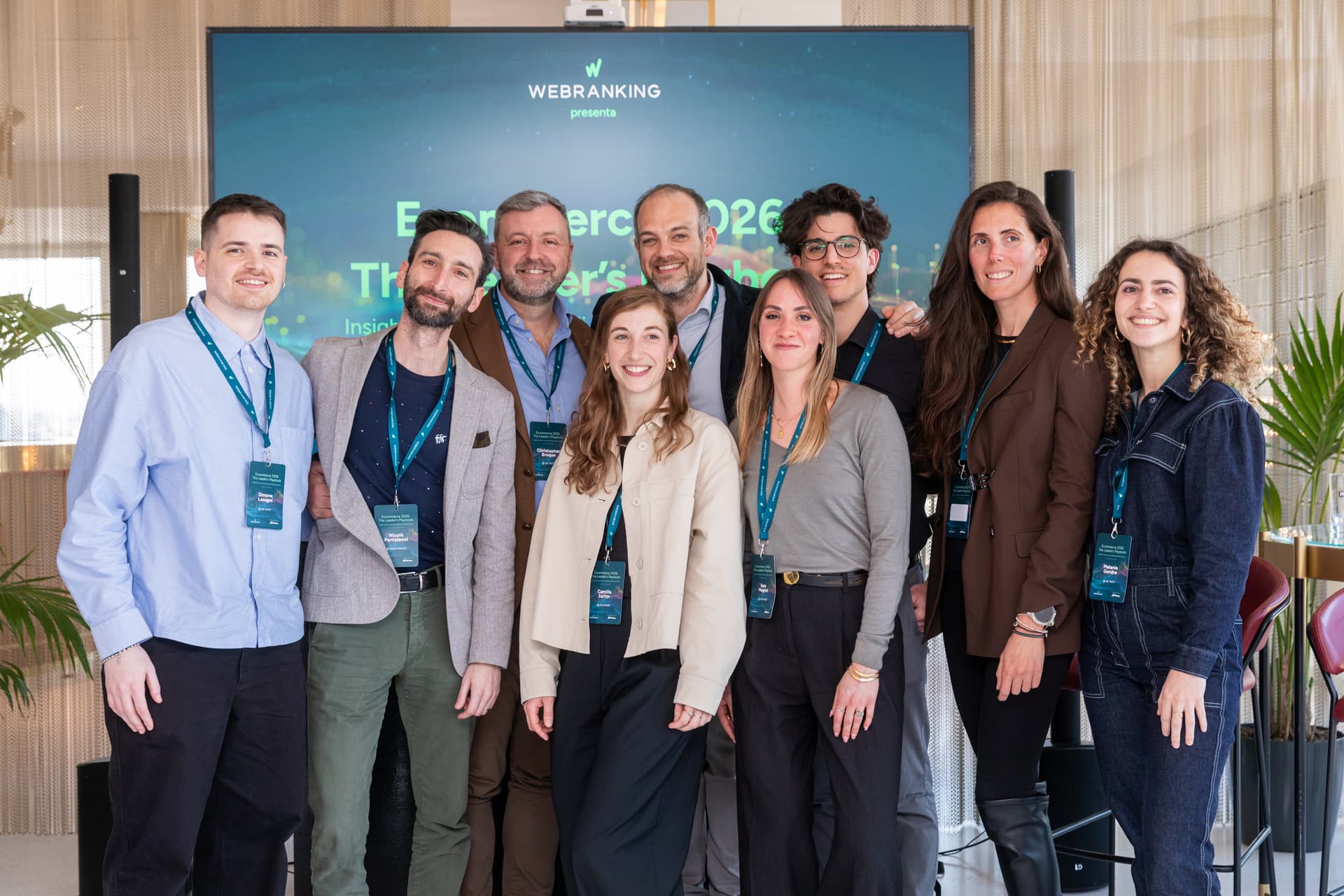
On September 15th, at the Riccardo Catella Foundation in Milan, the third edition of the Connected Media Summit took place, the event conceived and organized by Webranking to facilitate discussions among companies, platforms, and operators on the evolution of connected media.
After dedicating the previous edition to the topic of attention and “special moments,” this year we wanted to take a step forward. Because connected media have now become a stable part of brand communication plans. The real challenge is no longer whether to use them, but how to correctly evaluate their contribution within increasingly integrated strategies.
More media, more data. But a unified vision is needed.
Connected TV, streaming, digital audio, DOOH, and new touchpoints have multiplied the possibilities to reach people. At the same time, they have made the way we observe audience, frequency, attention, and results less linear.
This was the common thread of the day: overcoming measurement by individual channel to achieve an evaluation capable of reflecting the overall value of media investment.
Together with Adelaide, Google, Netflix Ads, Samsung Ads, Teads, The Trade Desk, and Uber Advertising we tackled the topic from diverse and complementary perspectives.
We talked about how to go beyond traditional metrics to read incremental reach and the real impact of media; about audiences constantly moving between screens and platforms and the need to build a more integrated view; about the relationship between attention, consumption context, and advertising perception; about creativity designed for different environments and moments; and about how to move beyond last click logic to understand what truly drives growth.
Because, ultimately, measuring better means being able to decide better where to invest.
From channel to people's behavior
One of the strongest takeaways is that the traditional boundaries between media are becoming less and less useful to describe the real behavior of audiences.
People don’t think in terms of channels. They move from one platform to another, from one screen to another, and from one consumption moment to another. Media planning must be able to follow them, but above all it must understand the contribution of each touchpoint.
This is an important shift in perspective: it means moving attention from the performance of a single medium to the ability of the entire media ecosystem to generate results.
And it is probably here that an important part of the market’s evolution will be played out in the coming years.
A place for market discussion
The dialogue with partners and companies present confirmed how much there is a need for moments like this: opportunities where platforms, brands, and different skills can meet to try to build a shared understanding of what is happening.
For Webranking, it is also the most natural way to interpret its role: not just planning the media, but helping companies understand, integrate, and measure them to make better decisions.
The Connected Media Summit will return; in the meantime, one thing is already clear from its third edition: while media continue to multiply, the challenge will not be having more data. It will be being able to understand which data truly matter.
Want to learn more?
In the coming weeks, we will share insights, content, and materials emerged from the Connected Media Summit 2026.
Follow Webranking on LinkedIn to not miss the deep dives dedicated to the event and stay updated on upcoming appointments and new initiatives.